Tree Support Systems
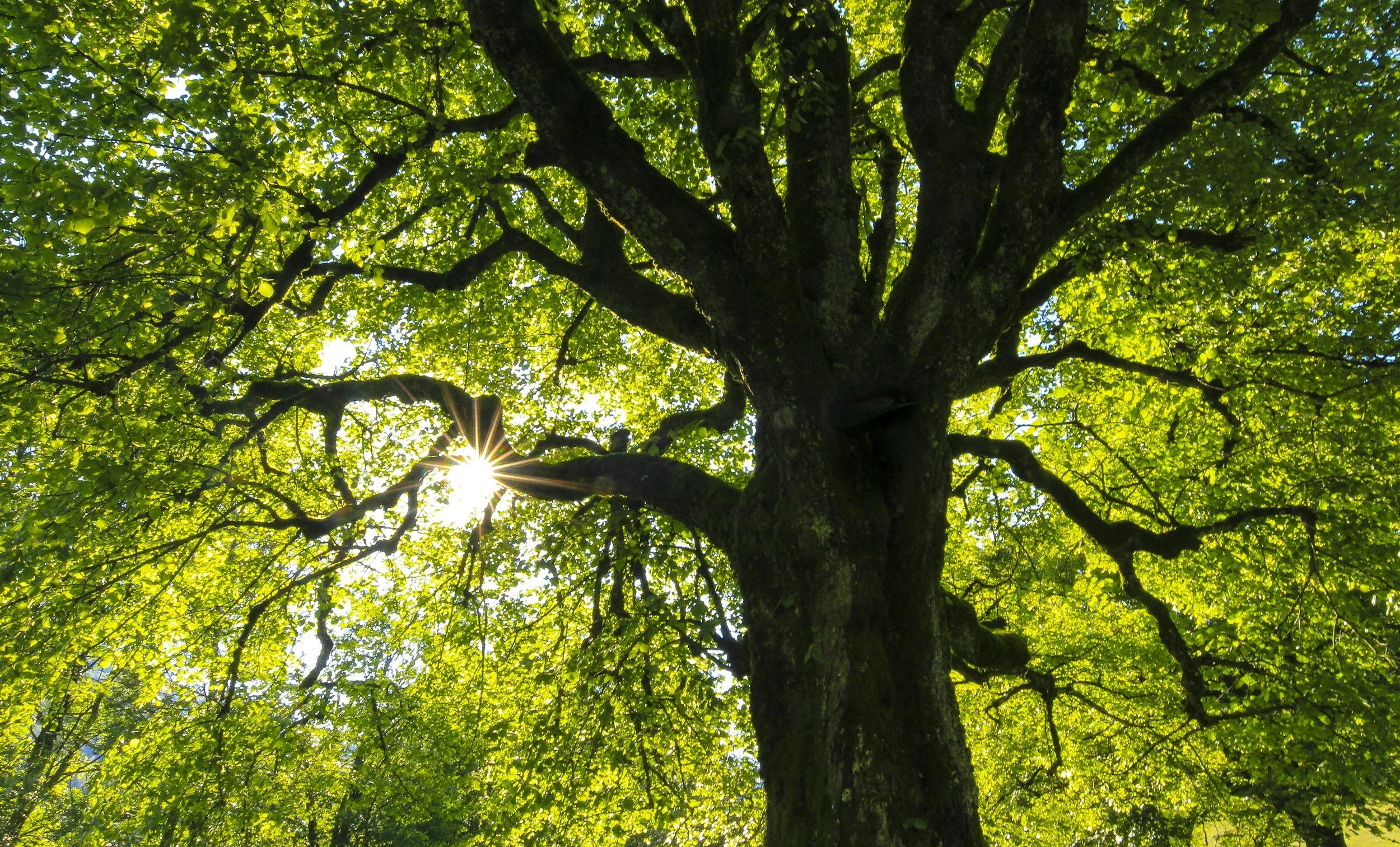
Many factors contribute to deciding if a tree needs structural support. Newly-planted trees benefit from correct staking and caging, while mature trees benefit from canopy cabling to minimize the risk and consequences of branch failure due to poor structure or excessive loading.
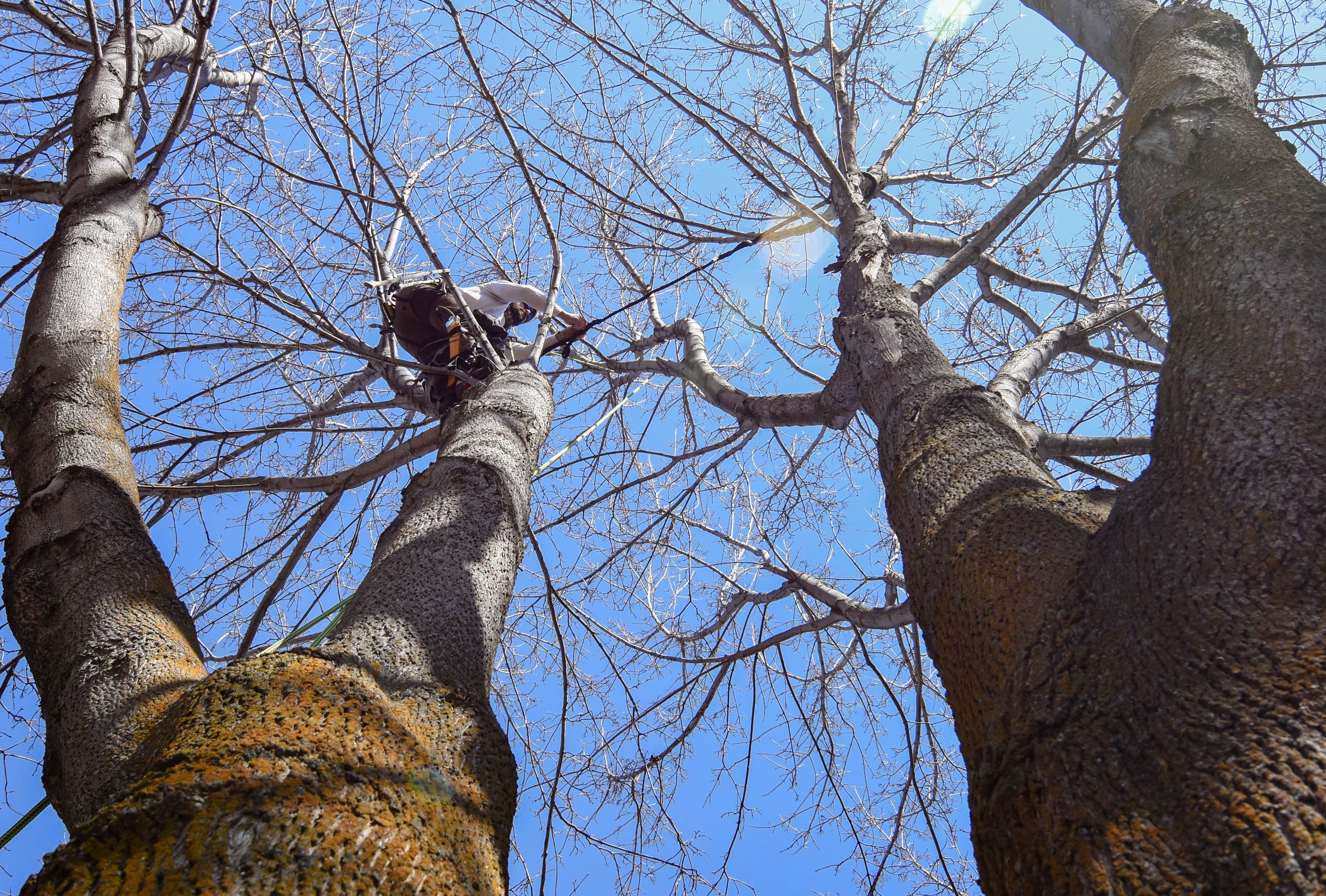
An experienced arborist can tell you when a support system is warranted, as well as the ideal materials and placement. Installation of support cabling often includes pruning to maximize the strength and benefit of the system.
Cabling and Support Services
-
For Young and Small Trees
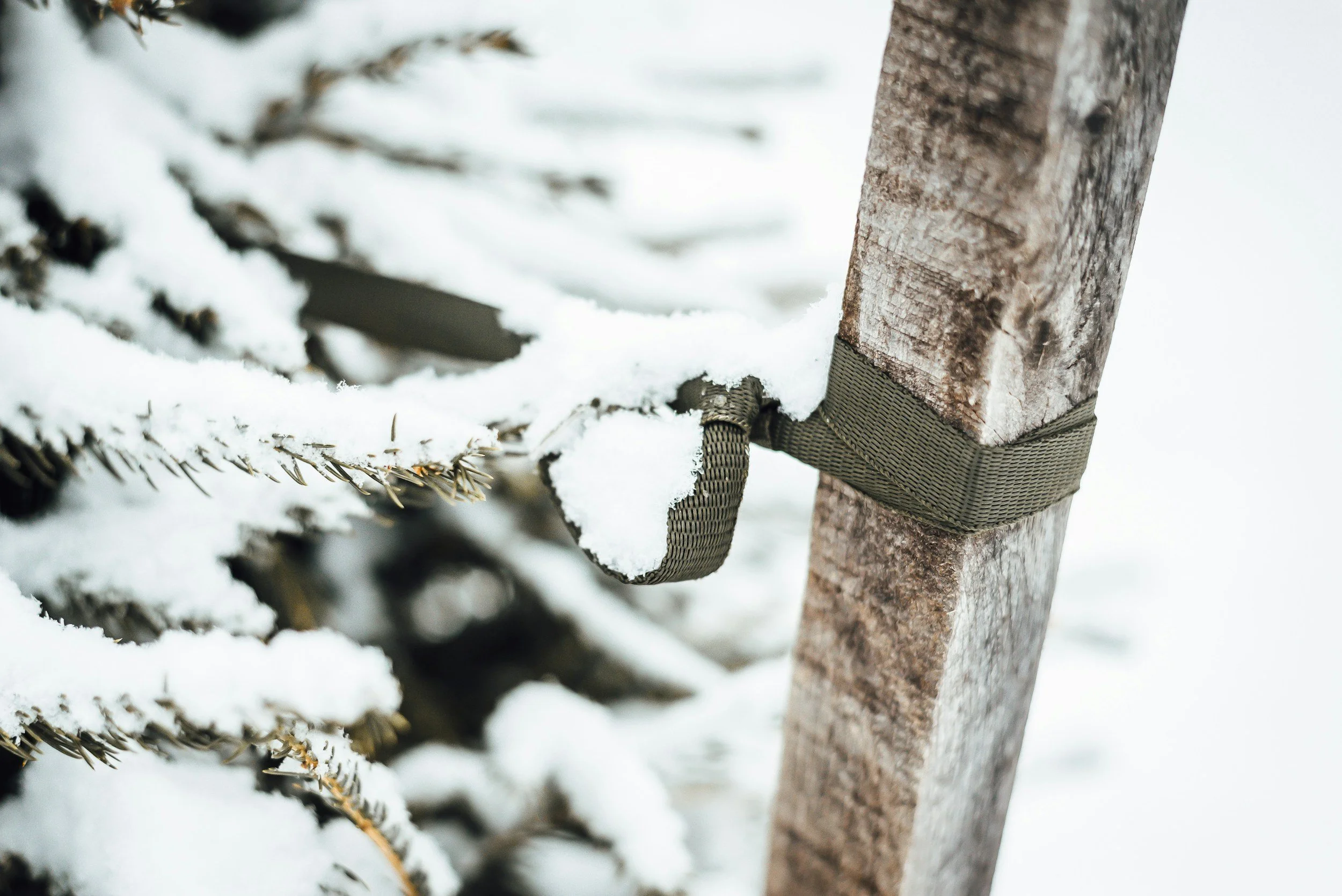
Intelligently installed props, staking, deer and rodent fencing, as well as passive irrigation systems can all be beneficial to the establishment and support of younger and smaller trees. These systems are designed to be removed once their respective purposes have been fulfilled.
-
For Mature Trees
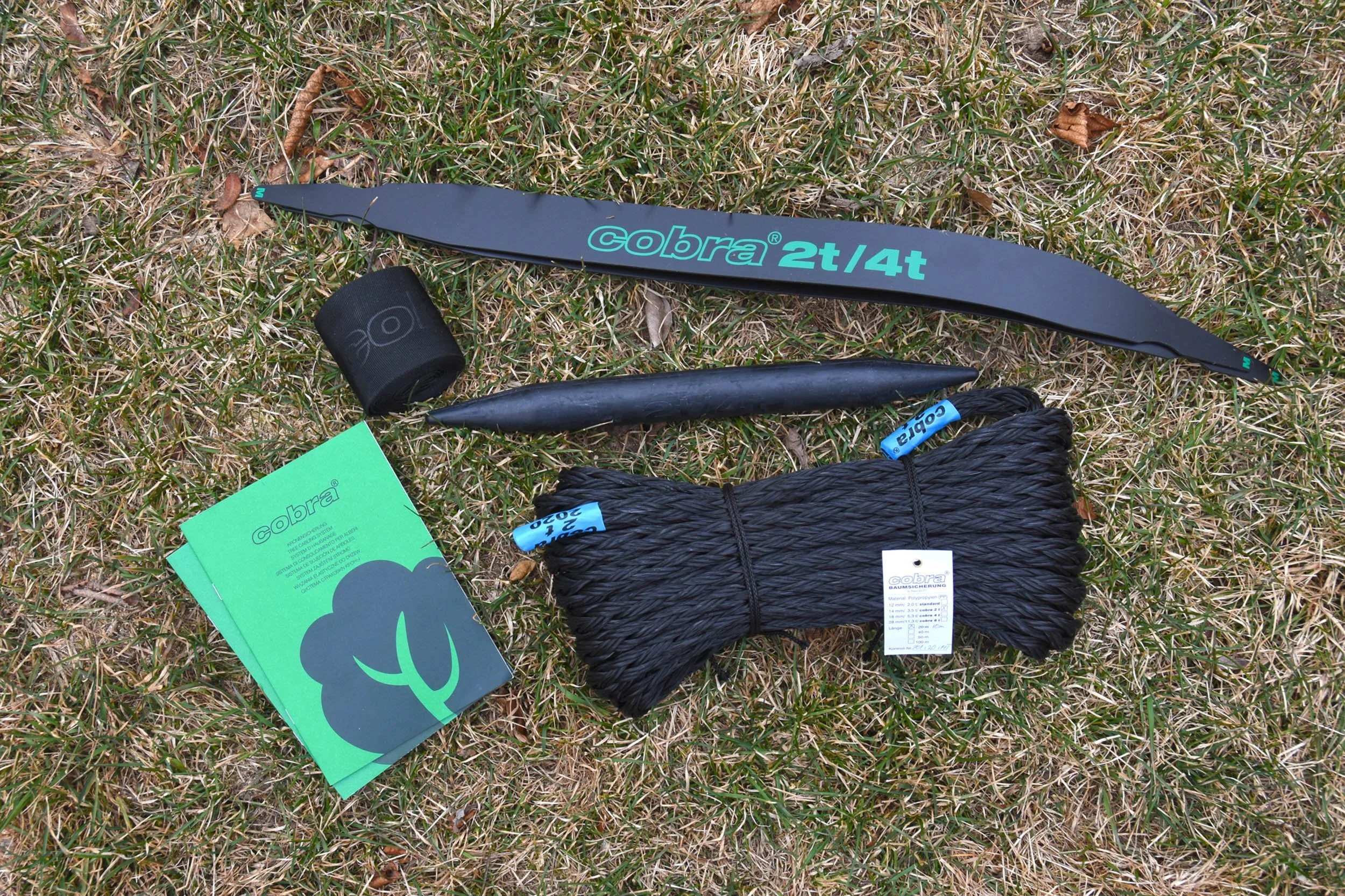
Cabling with non-invasive polypropylene, as well as high-tensile cable, can mitigate failure and preserve large branches and stems. Cabling also helps retain the aesthetic structure and balance of cherished old trees. Opting for cabling instead of making large canopy cuts helps minimize the potential for decay when remediating a tree’s structure.
A Scientific Approach
Understanding where biology and physics meet is at the core of selecting appropriate support systems for individual trees. Wind, for example, is a very strong force that affects trees and their subsequent response growth, both above and below ground.
Cabling, staking and bracing, when done correctly, allows for just enough movement for the tree to adapt to its environment, reinforce weaknesses, build a strong root system, and continue to minimize dependence on supports for structural integrity and establishment.