Pruning & Small Removals
Proper pruning, especially for young trees, is crucial for health and structure. Most trees are pruned far too late in their life cycle, with large, expensive cuts that incur decay and ultimately leave the tree weaker than it was before.
Proactive pruning earlier in a tree’s life can save you time, money and the headache of dealing with structural failures in the decades to come.
If a tree cannot be reasonably retained, then removal will be considered. I only remove smaller trees that don’t require extensive rigging or very large equipment.
Pruning Services
-
Ground-Based Pruning
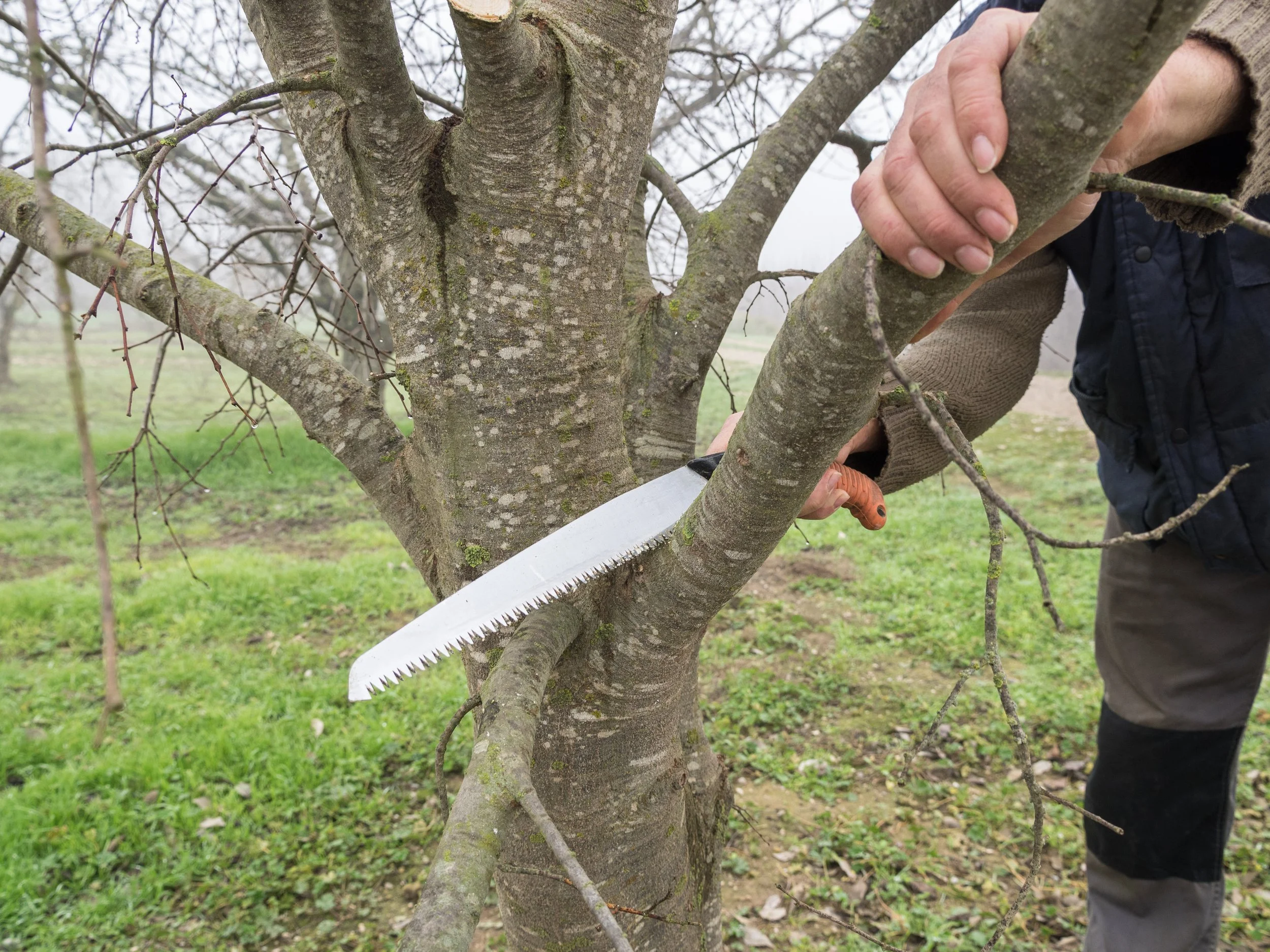
Professional pruning for younger trees, fruit trees and shrubs. An affordable investment in your landscape that creates better structure and yields every season.
-
Aerial Pruning
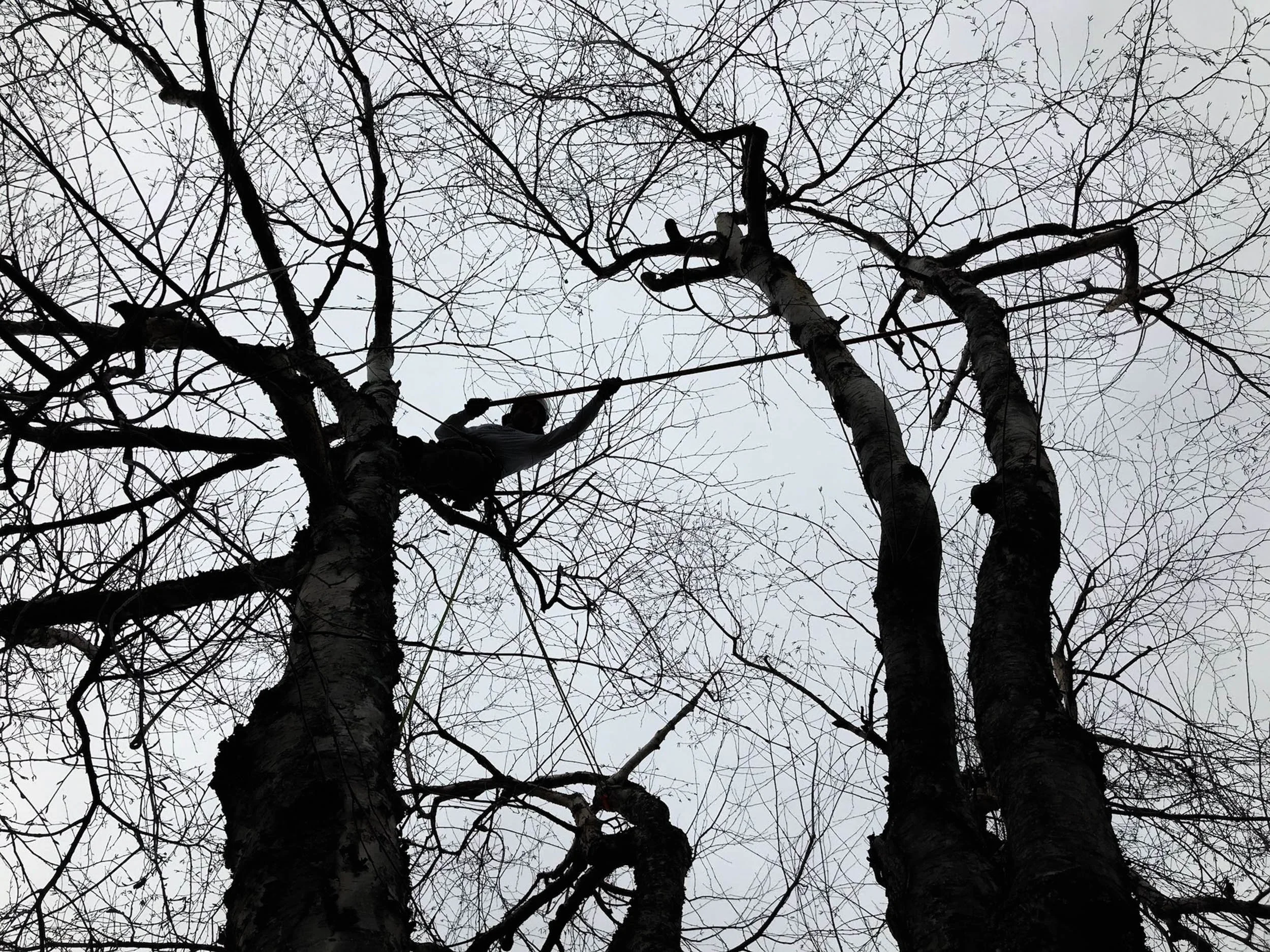
For larger trees and those with underlying targets, the best cuts are made by accessing the canopy. Using ropes and rigging ensures safer, cleaner pruning outcomes for mature landscape trees.
Pruning vs. “Trimming”
Proper pruning, according to the ANSI300 industry standard, targets individual branches to improve structure, remove diseased and dead branches, and improve yields in food-bearing plants (among other things).
“Trimming”- and “Topping”, for that matter- involves indiscriminately cutting stalks and/or branches at arbitrary locations for clearance, as in the utility industry, or for aesthetics. These arbitrary cuts, when made on certain plant species, can leave stubs, incur decay, and promote unwanted growth, which will invariably lead to poorer structure and increased maintenance costs.